
PCD / CBN / PCBN BRAZING
PCD / CBN / PCBN Brazing Services
Reliable brazing for diamond and CBN tooling
Brazing PCD (polycrystalline diamond), CBN and PCBN tooling requires exceptional precision and temperature control. We specialize in joining these ultra-hard materials to tool bodies, using pyrometer-based temperature monitoring to protect the integrity of the diamond or CBN segments during the brazing process. This expertise makes us a trusted partner for manufacturers of cutting and machining tools that rely on these advanced materials and processes.
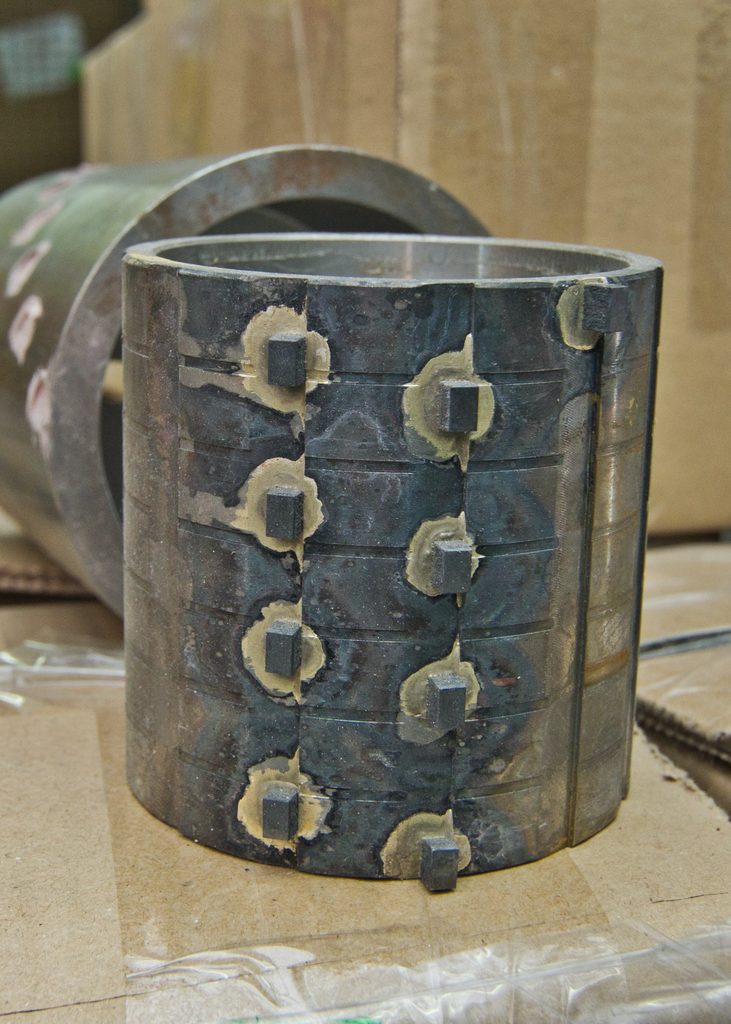
Ultra-hard materials
Specialized brazing of PCD, CBN and PCBN tooling for cutting and machining applications
Pyrometer-monitored temperature
Precise temperature monitoring protects sensitive diamond and CBN segments throughout the process
Trusted tooling partner
Decades of experience brazing high-performance tooling for demanding industrial applications
Talk to our brazing specialist.
Have a question about PCD/CBN/PCBN brazing or need a tailored quote? Get in touch – we’re happy to discuss your requirements.
PCD, CBN and PCBN inserts are typically brazed onto a steel or carbide tool body so the cutting edge can be reground and reused while the body survives multiple tool lives. Because these superhard materials degrade or fracture if overheated even briefly, the brazing window is narrow: we monitor temperature directly at the joint rather than relying on furnace set-points alone, and match braze alloy and flux to the specific PCD, CBN or PCBN grade being joined.
This is one of four core contract brazing processes we offer at Armin Hain, alongside induction, induction under protective atmosphere and flame brazing, and it runs under the same ISO 9001:2015 quality management system, certified by DEKRA Certification GmbH, as all our other work. We support tool manufacturers from first feasibility samples through to repeat production batches, across Europe.
Why Tool Manufacturers Regrind Rather Than Replace
A brazed PCD, CBN or PCBN insert can typically be reground and reused several times before the tool body is retired, which is the main economic reason these materials are brazed rather than mechanically fixed in the first place — a secure, well-documented joint is what makes repeated regrinding possible without the insert coming loose. This is also why joint quality matters more here than in most brazing applications: a joint that’s marginal on day one tends to fail during regrinding rather than in normal use.
Working Temperature Precision
PCD and CBN segments have a narrow safe heating window — overheat them even briefly and the diamond or CBN structure itself can degrade, regardless of how well the joint forms. That’s why we monitor temperature directly at the joint with a pyrometer instead of relying on programmed heating time or furnace set-points alone. For the specific braze alloy and flux we use on PCD-to-carbide joints, see our carbide & PCD/CBN materials page, and for terminology like working temperature and layered filler metals, our brazing glossary.